
FUE Hair Transplant in Sydney
If you are seeking a long‑lasting solution to hair loss, an FUE hair transplant may be an option.
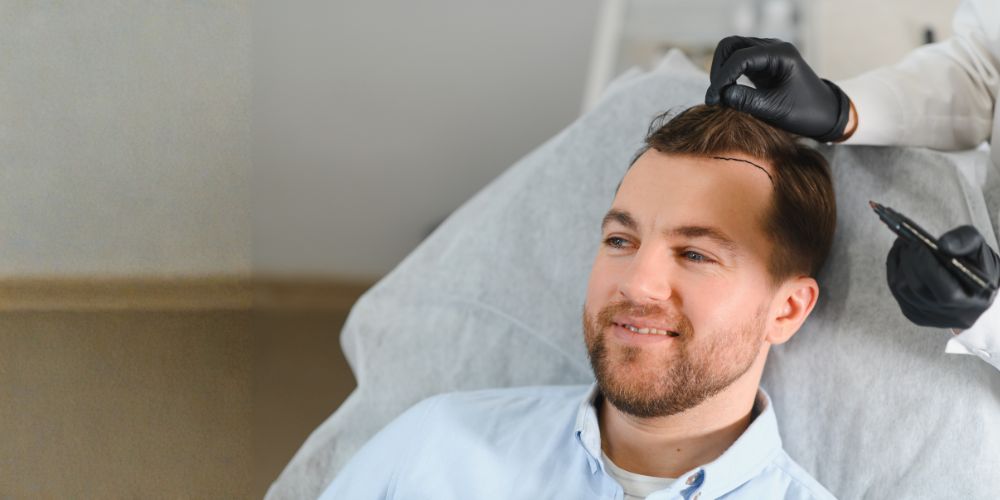
At Dr Graft Hair Transplant, FUE hair transplant procedures are planned and overseen by an Australian‑trained and registered medical practitioner, with careful assessment and medical governance at every stage.
A Follicular Unit Extraction (FUE) hair transplant is a surgical procedure that involves the removal of individual hair follicles from a donor area and their placement into areas of hair loss or thinning.
Arrange Your Free Consultation
A consultation provides time to discuss your hair loss concerns, assess suitability, and understand which treatment options may be appropriate based on individual circumstances.
There is no obligation to proceed with treatment.
What Is an FUE Hair Transplant?
FUE (Follicular Unit Extraction) is a hair transplant technique where individual follicular units are extracted directly from the donor area, typically at the back or sides of the scalp.
These follicular units are then prepared and transplanted into recipient areas based on a planned distribution pattern. The procedure does not involve the removal of a linear strip of scalp.
FUE is one of several surgical options available for hair restoration and may be considered depending on individual factors discussed during consultation.
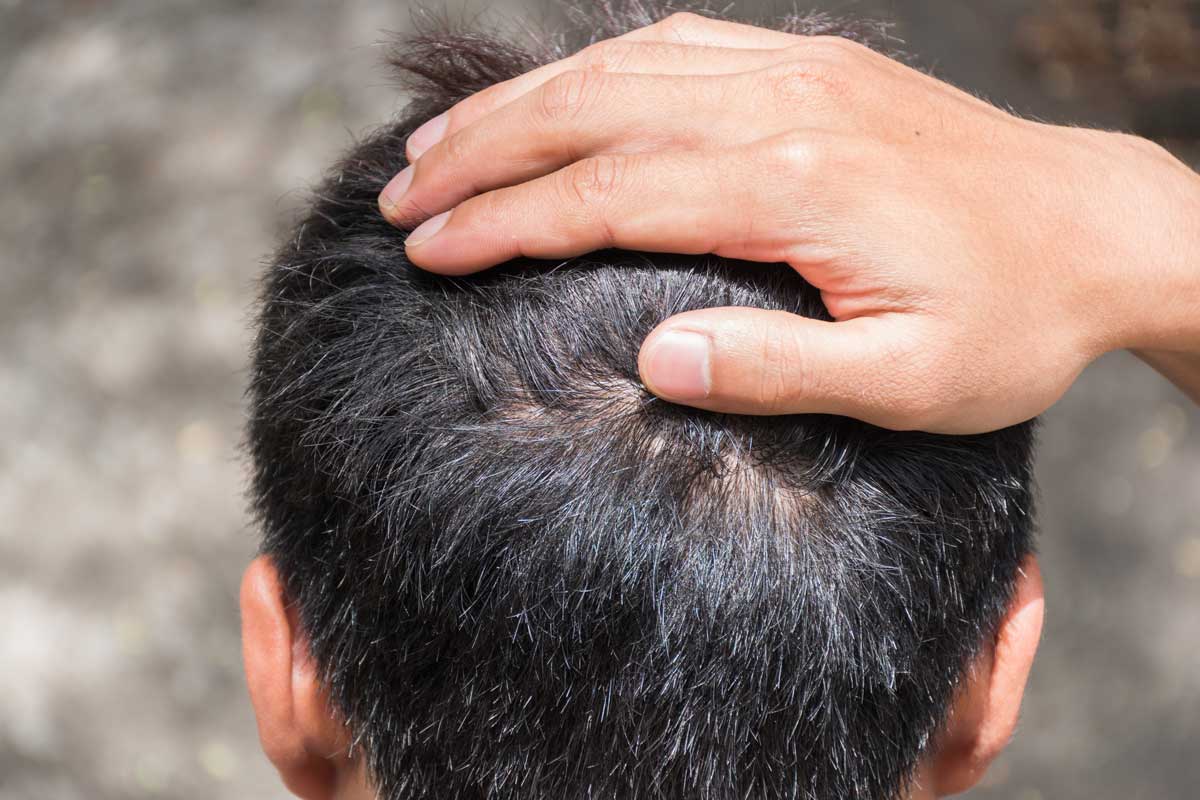
Not sure which treatment is right for you?
A medical consultation allows assessment of hair loss type, donor hair availability, and long‑term planning before any treatment is considered.
How the FUE Procedure Is Performed
An FUE hair transplant typically involves the following stages:
- Medical consultation and assessment
- Donor area evaluation
- Individual follicle extraction
- Preparation of recipient areas
- Placement of follicular units
The procedure is performed in a controlled clinical environment using established surgical and infection control protocols. The length of the procedure varies depending on the treatment plan and individual circumstances.
Who May Be Suitable for FUE Hair Transplant?
An FUE hair transplant may be considered for individuals who:
- Have adequate donor hair availability
- Are experiencing pattern hair loss or localised thinning
- Prefer a procedure without a linear donor scar
- Have realistic expectations and understand limitations
Suitability depends on multiple factors, including hair characteristics, scalp condition, medical history, and the extent of hair loss. These factors are assessed during consultation.
Who May Not Be Suitable for FUE?
An FUE hair transplant may not be appropriate for everyone. It may not be recommended for individuals who:
- Have insufficient donor hair
- Have certain medical conditions affecting healing
- Have diffuse or unstable hair loss patterns
- Are seeking outcomes that are not medically realistic
Alternative options, including non‑surgical treatments or other surgical approaches, may be discussed where appropriate.
Hairline Design and Planning
Hairline planning is an important component of FUE hair transplant procedures.
During consultation, factors such as facial structure, age, existing hair pattern, and potential future hair loss are considered. Hairline design is approached conservatively and as part of an overall treatment plan rather than in isolation.
Not sure which treatment is right for you?
A medical consultation allows assessment of hair loss type, donor hair availability, and long‑term planning before any treatment is considered.
Risks and Recovery
As with any surgical procedure, FUE hair transplant surgery carries potential risks. These may include swelling, discomfort, temporary shedding, infection, or scarring.
Recovery varies between individuals. Post‑procedure care instructions are provided, and follow‑up appointments may be arranged as clinically appropriate to monitor healing and progress. All risks, recovery expectations, and limitations are discussed during consultation
Medical Oversight and Patient Care
Dr Graft Hair Transplant operates within a medical‑led framework, ensuring:
- Assessment and planning by a registered medical practitioner
- Clear explanation of procedure options and limitations
- Adherence to clinical and infection control standards
- Ongoing access to medical support before and after treatment
No procedure is recommended without prior medical assessment.
Consultation and Assessment
A consultation allows time to:
- Discuss hair loss concerns and history
- Assess donor and recipient areas
- Review medical history
- Determine whether FUE may be appropriate
- Discuss alternative options where relevant
Initial consultations are offered at no cost and may be conducted in person, by phone, or via video consultation.