
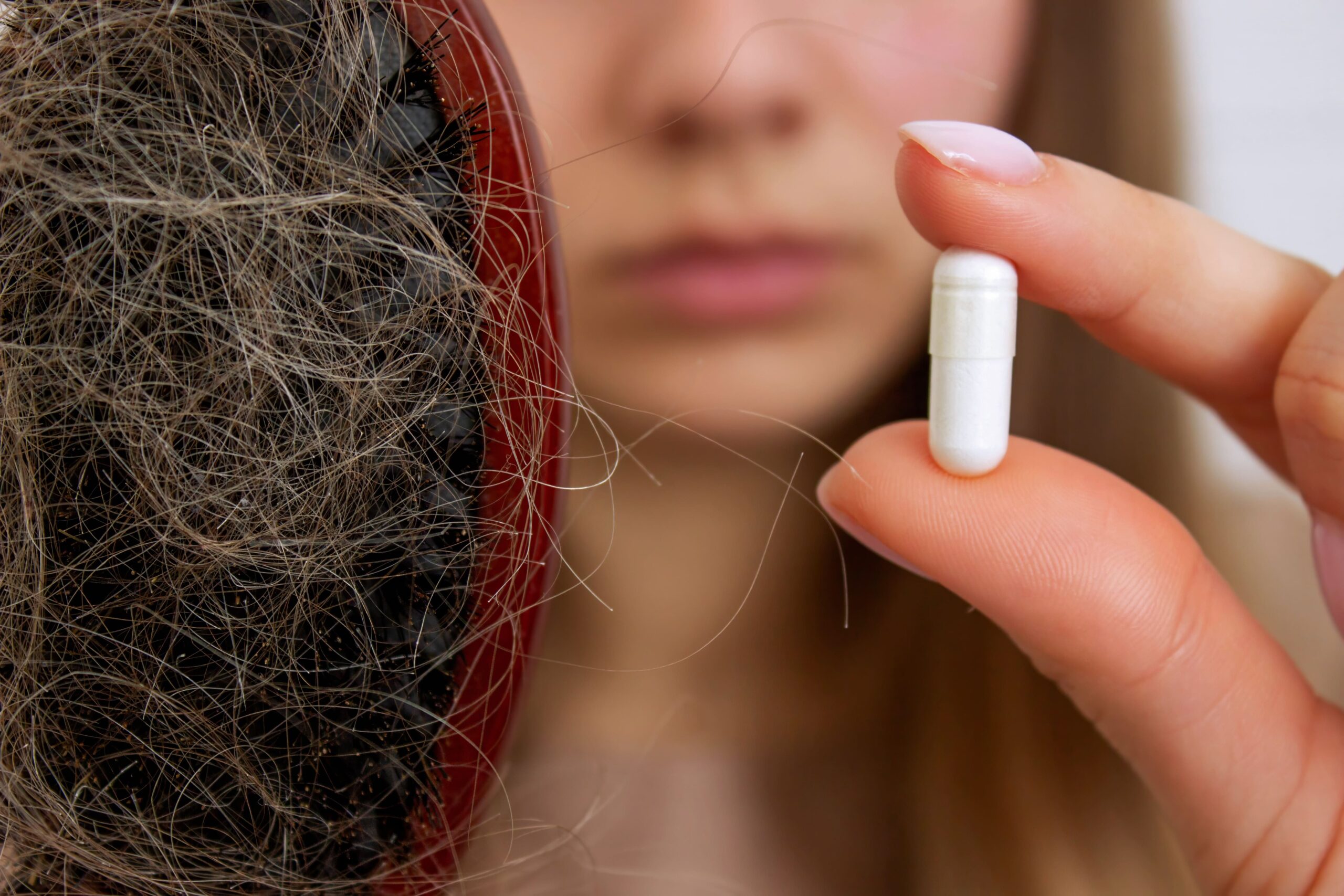
Finasteride is one of the most widely used medications for male pattern hair loss. If you are considering this treatment, it’s important to understand how it works, what benefits it can offer, and what potential side effects you should be aware of. This overview is designed to help you make an informed decision and discuss any concerns with your healthcare provider.Finasteride is one of the most widely used medications for male pattern hair loss. If you are considering this treatment, it’s important to understand how it works, what benefits it can offer, and what potential side effects you should be aware of. This overview is designed to help you make an informed decision and discuss any concerns with your healthcare provider.
What Is Finasteride?
Finasteride is a prescription medication that belongs to a group of drugs called 5‑alpha‑reductase inhibitors. This means it blocks the enzyme responsible for converting testosterone into dihydrotestosterone (DHT)—the hormone strongly linked to male pattern baldness.
By lowering DHT levels, finasteride can help:
- Slow or stabilise ongoing hair loss
- Support regrowth in thinning areas
- Improve hair density over time
Finasteride is also used at a higher dose for benign prostatic hyperplasia (BPH), but the hair‑loss dose is much lower.
How Finasteride Helps With Hair Loss
In androgenetic alopecia (male pattern baldness), DHT causes hair follicles to shrink and produce thinner, shorter hairs. Over time, follicles may stop producing visible hair altogether.
Finasteride reduces DHT in the scalp, allowing affected follicles to recover and produce thicker, stronger hair. Many patients notice:
- Reduced shedding within several months
- Gradual thickening of existing hair
- Improved coverage in thinning zones
Consistent daily use is typically required to maintain results.
Potential Side Effects
Most people tolerate finasteride well, but like all medications, it can cause side effects in a small percentage of users. These may include:
Sexual Side Effects
Some individuals report decreased libido, erectile difficulties, or reduced ejaculate volume. These effects occur in a minority of users and often resolve after stopping the medication.
Mood‑Related Effects
There have been reports of depression or anxiety in some users. Anyone experiencing mood changes should speak with a healthcare professional promptly.
Other Considerations
Finasteride may affect prostate‑specific antigen (PSA) readings, which is relevant for prostate health monitoring. Your doctor can advise how this applies to you.
Controversies and Long‑Term Concerns
Finasteride has been the subject of debate due to reports of persistent sexual or psychological side effects in a small number of individuals. Some legal cases have claimed that these effects continued after discontinuation. Regulatory agencies continue to monitor safety data, and most clinical studies show that the medication is safe for the majority of users when taken as prescribed.
It is important to have open communication with your healthcare provider and report any side effects promptly.
Key Points for Patients
- Finasteride is one of the most effective medical treatments for male pattern hair loss.
- Benefits are gradual and require consistent use.
- Most side effects are uncommon, but awareness is important.
- Any concerns should be discussed with a qualified healthcare professional.
- Do not start or stop finasteride without medical guidance.