
Microneedling with Hair Exosomes
If you are exploring non surgical options for hair loss, exosome therapy may be considered as part of a broader hair loss management plan
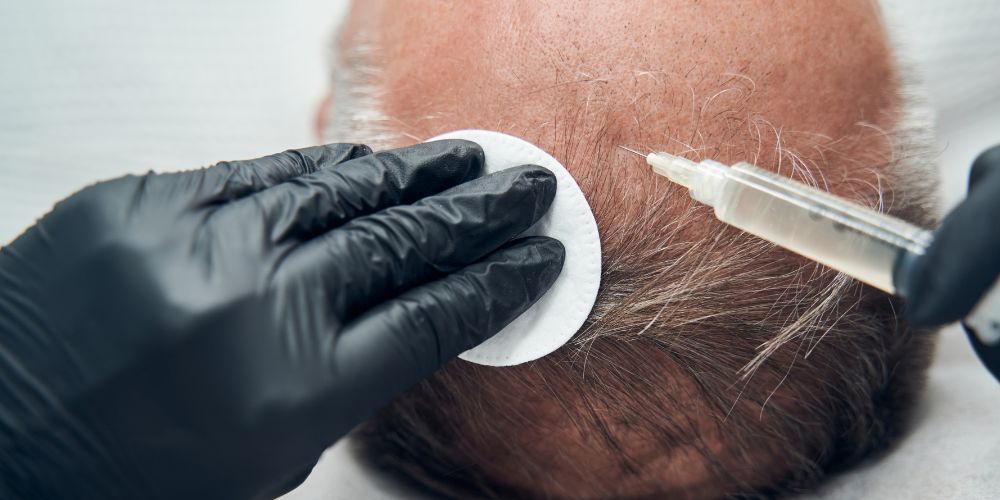
Microneedling with Hair Exosomes
Microneedling with hair exosomes is a non‑surgical treatment approach that may be discussed as part of a broader hair loss management plan. The treatment combines microneedling of the scalp with the application of exosome‑based products, which are intended to support scalp health under medical supervision.
At Dr Graft Hair Transplant, microneedling with hair exosomes is considered only after individual assessment and is not positioned as a replacement for surgical hair restoration where surgery may be more appropriate.
Arrange Your Free Consultation
A consultation provides time to discuss your hair loss concerns, assess suitability, and understand which treatment options may be appropriate based on individual circumstances.
There is no obligation to proceed with treatment.
Understanding Microneedling and Hair Exosomes
Microneedling involves the use of fine needles to create controlled micro‑channels in the scalp. This process is commonly used in medical settings to support skin renewal and may assist with topical product absorption.
Exosomes are extracellular vesicles derived from biological sources and are the subject of ongoing research in various medical fields. In hair restoration, exosome‑based products are discussed as a potential adjunctive treatment aimed at supporting the scalp environment rather than creating new hair follicles.
The clinical role and outcomes of exosome‑based treatments for hair loss continue to be evaluated.
Not sure which treatment is right for you?
A medical consultation allows assessment of hair loss type, donor hair availability, and long‑term planning before any treatment is considered.
What the Treatment Involves
Microneedling with hair exosomes may involve:
- Medical assessment of the scalp and hair loss pattern
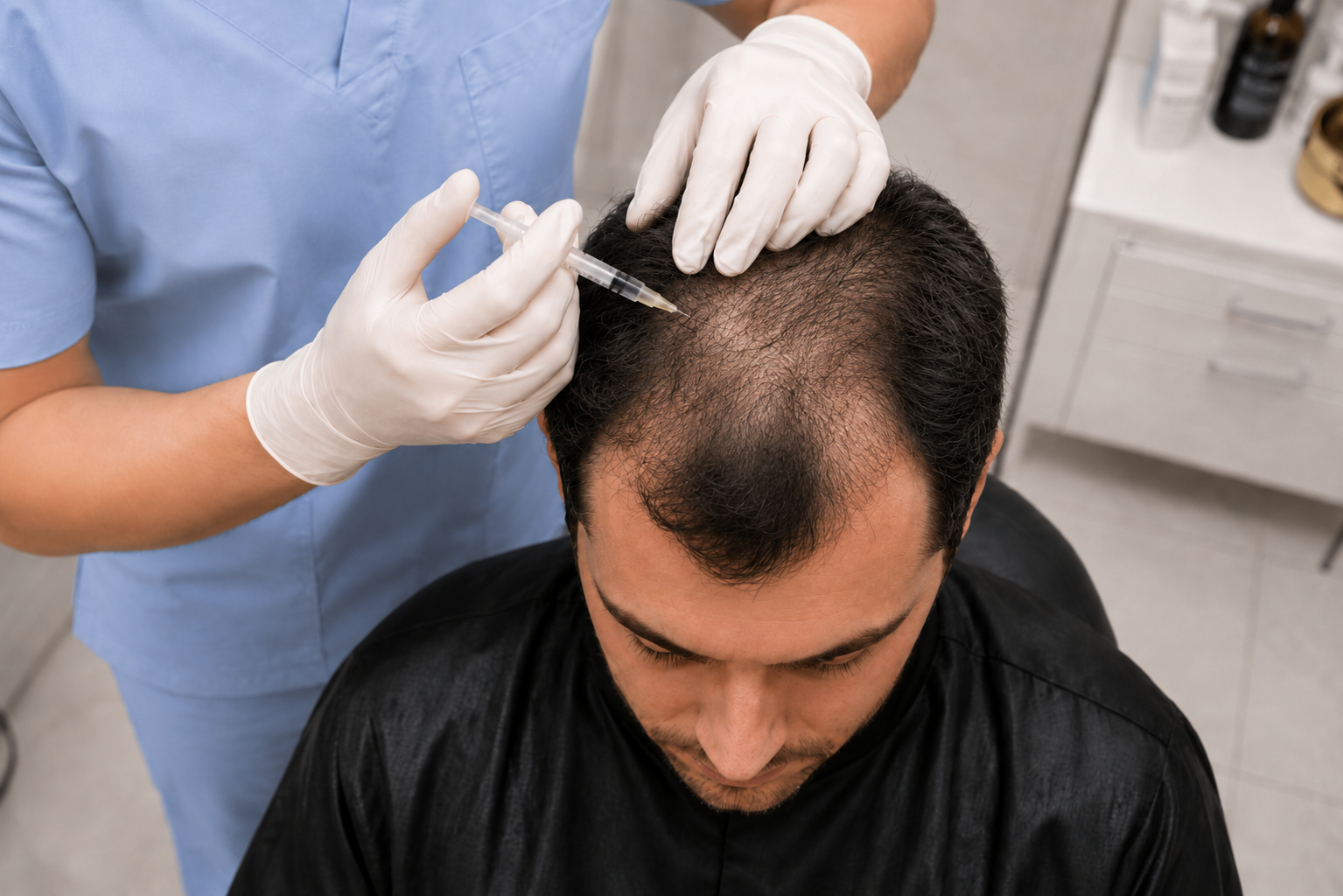
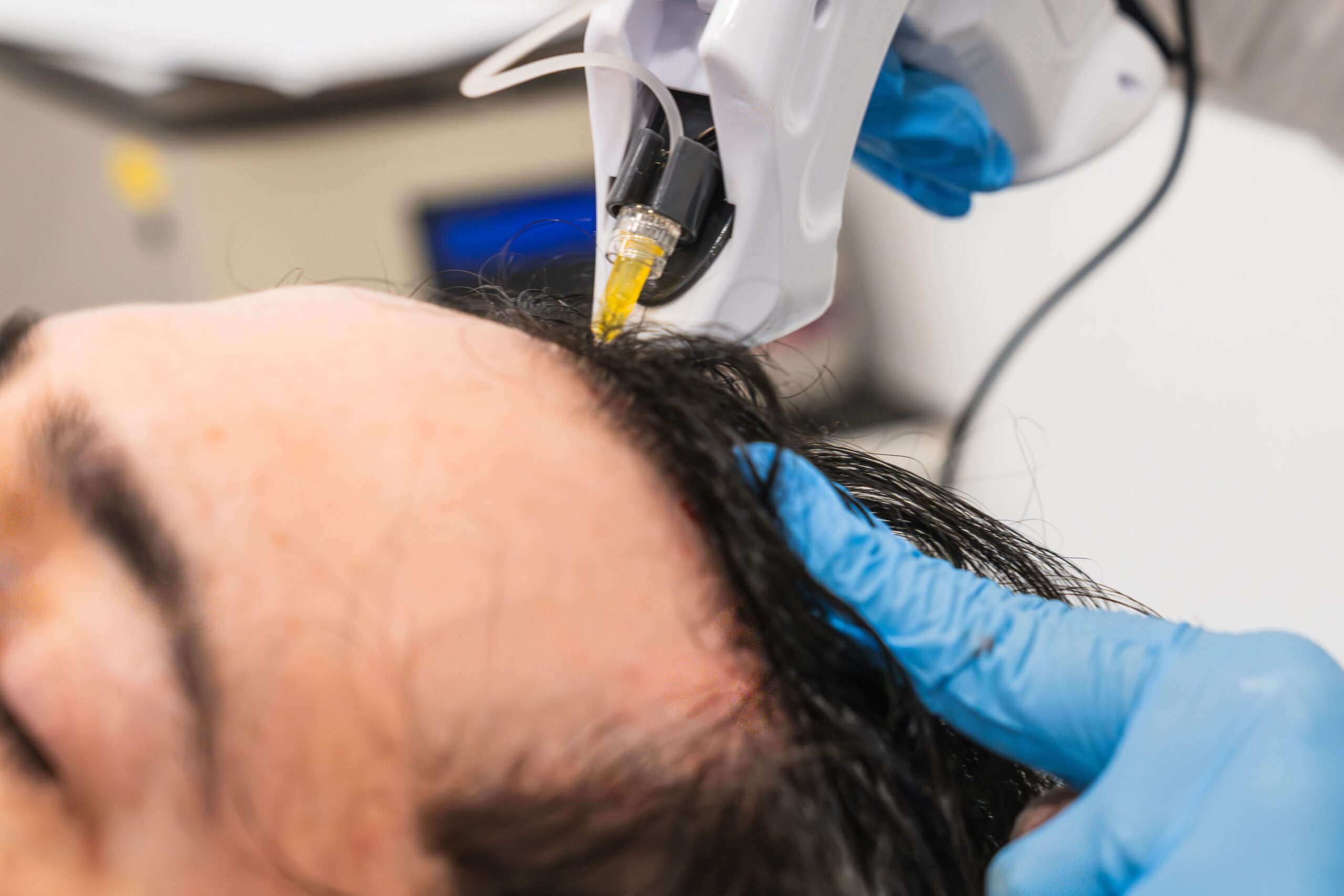
- Controlled microneedling of selected scalp areas
- Application of an exosome‑based product following microneedling
The number of sessions and treatment intervals vary between individuals and are discussed during consultation. Treatment is performed in a clinical setting under medical oversight.
Who May Be Suitable for This Treatment?
Microneedling with hair exosomes may be considered for individuals who:
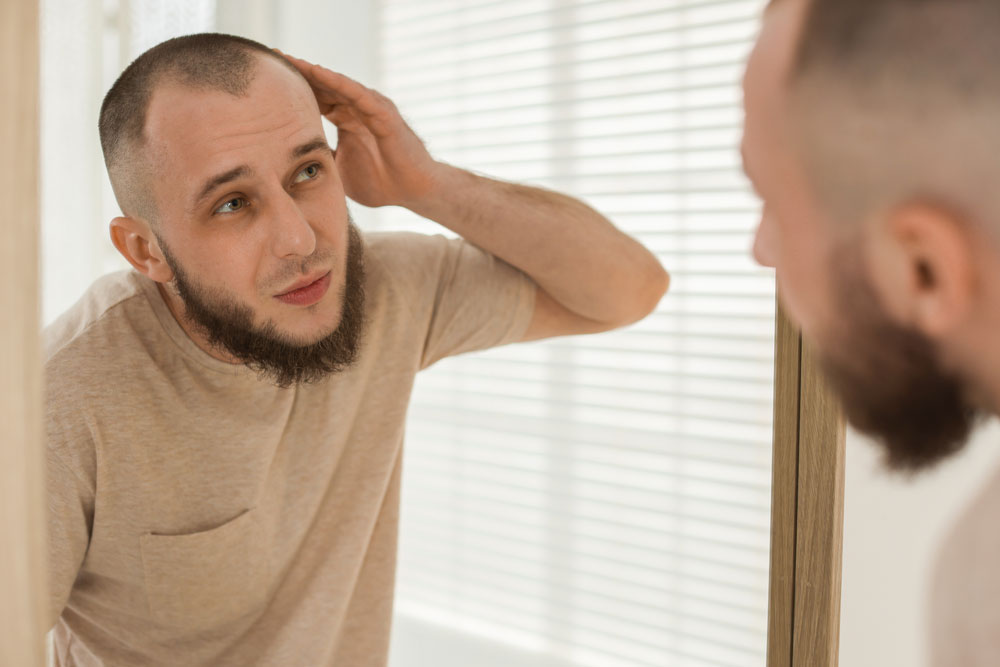
- Are experiencing early or progressive hair thinning
- Have been assessed with certain types of hair loss
- Are seeking non‑surgical treatment options
- Are not currently suitable for surgical hair restoration
- Have realistic expectations regarding potential outcomes
Suitability is determined on an individual basis following medical consultation.
Who May Not Be Suitable?
This treatment may not be appropriate for everyone. It may be unsuitable for individuals who:
- Have active scalp infections or inflammatory conditions
- Have certain medical or immune‑related conditions
- Are taking medications that may affect healing
- Have advanced hair loss where follicles are no longer present
- Are seeking guaranteed or immediate results
These factors are reviewed carefully prior to treatment consideration.
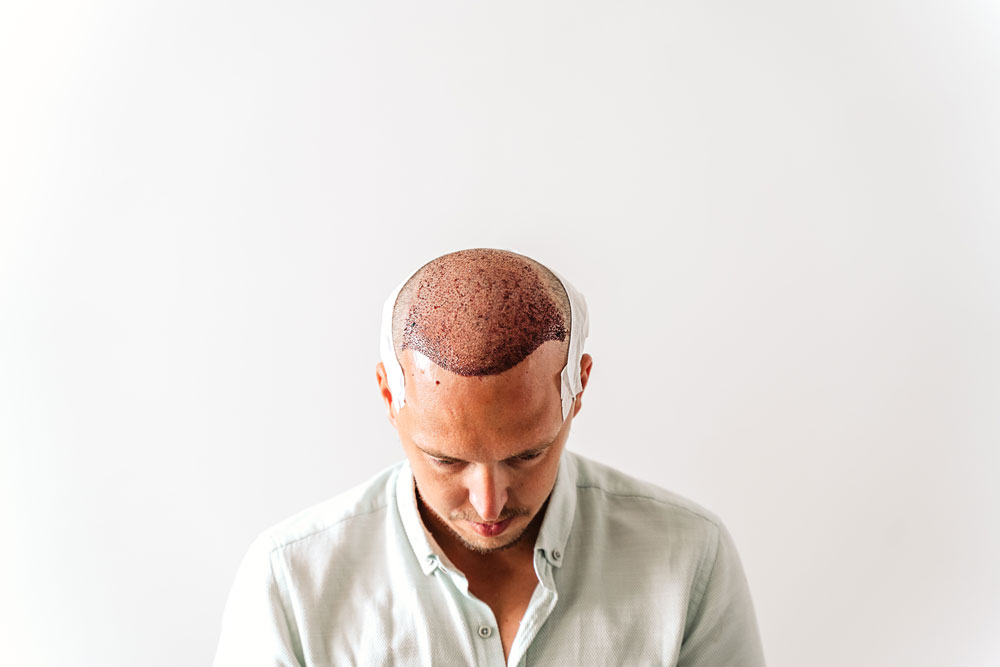
Limitations of Microneedling with Hair Exosomes
It is important to understand that microneedling with hair exosomes:
- Does not create new hair follicles
- Does not guarantee hair regrowth or increased density
- May produce variable responses between individuals
- Often requires multiple sessions and ongoing assessment
Outcomes depend on individual factors and underlying hair loss patterns.
Not sure which treatment is right for you?
A medical consultation allows assessment of hair loss type, donor hair availability, and long‑term planning before any treatment is considered.
Risks and Recovery
Microneedling with hair exosomes is generally considered minimally invasive but still carries potential risks. These may include temporary redness, swelling, discomfort, pinpoint bleeding, or infection.
Recovery is usually short. Post‑treatment care instructions are provided to support scalp healing and reduce risk.
Medical Oversight and Treatment Planning
At Dr Graft Hair Transplant, microneedling with hair exosomes is provided within a medical framework. It may be discussed as part of a broader treatment plan that includes surgical and other non‑surgical options where appropriate.
All treatment decisions are guided by medical assessment, scalp findings, and long‑term hair management considerations. nt.
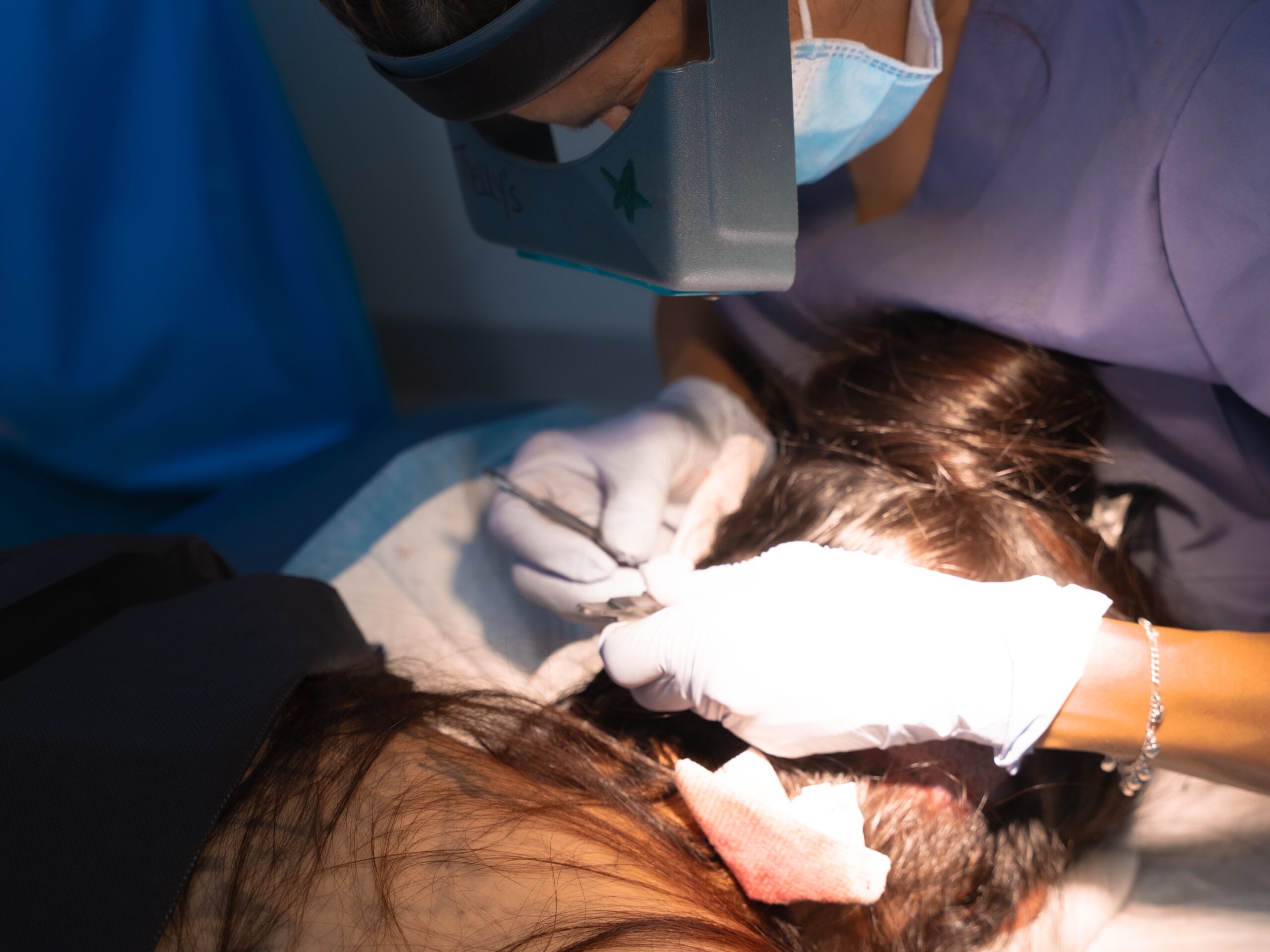
Consultation and Assessment
A consultation at Dr Graft Hair Transplant allows for:
- Assessment of hair loss pattern and scalp health
- Review of medical history
- Discussion of treatment suitability and alternatives
- Explanation of risks, limitations, and expected course of care
This information is general in nature and discussed in detail during consultation.
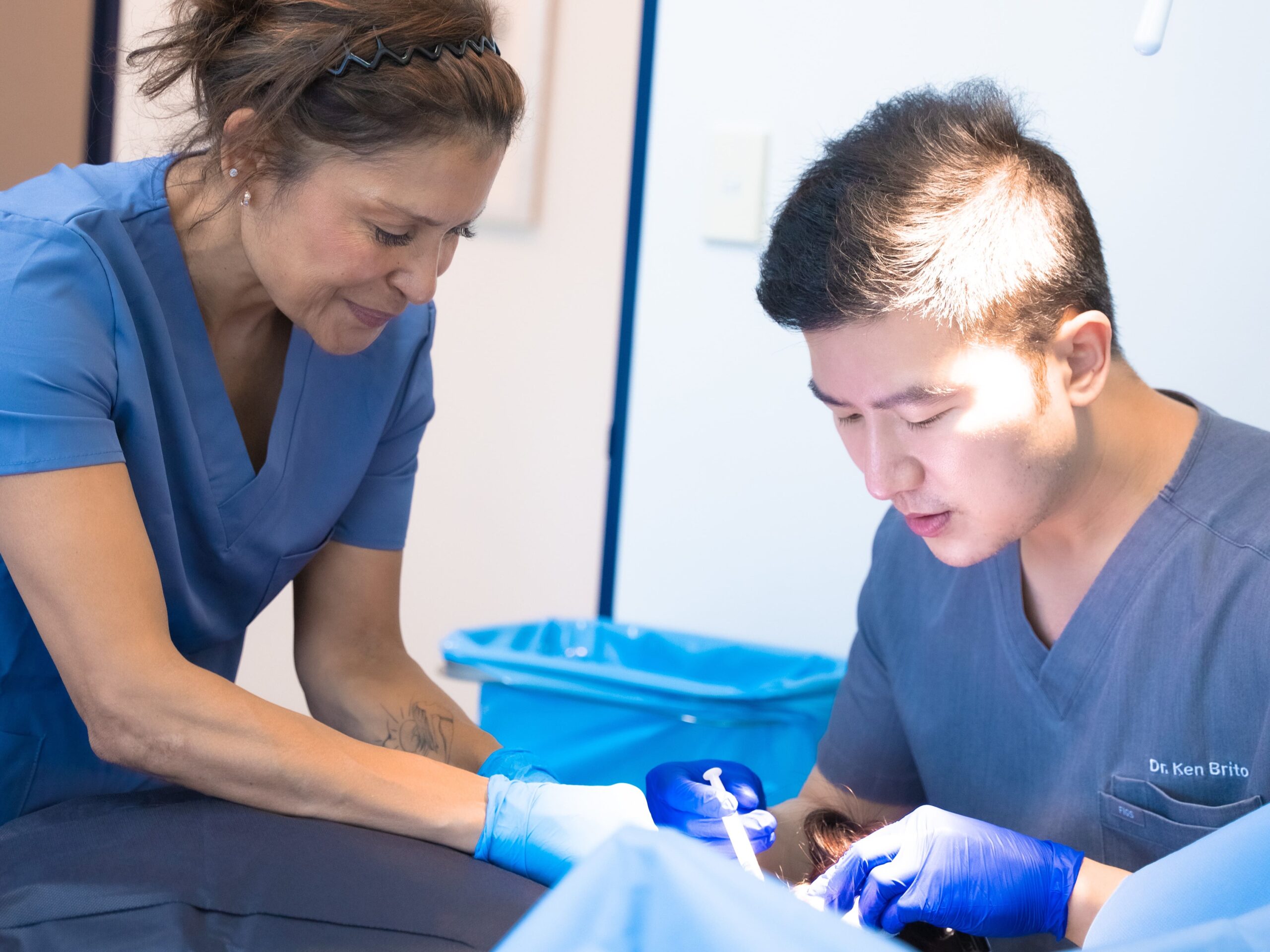
Speak With the Clinic
To discuss whether microneedling with hair exosomes may be suitable as part of your hair loss management plan, contact the clinic to arrange a consultation.
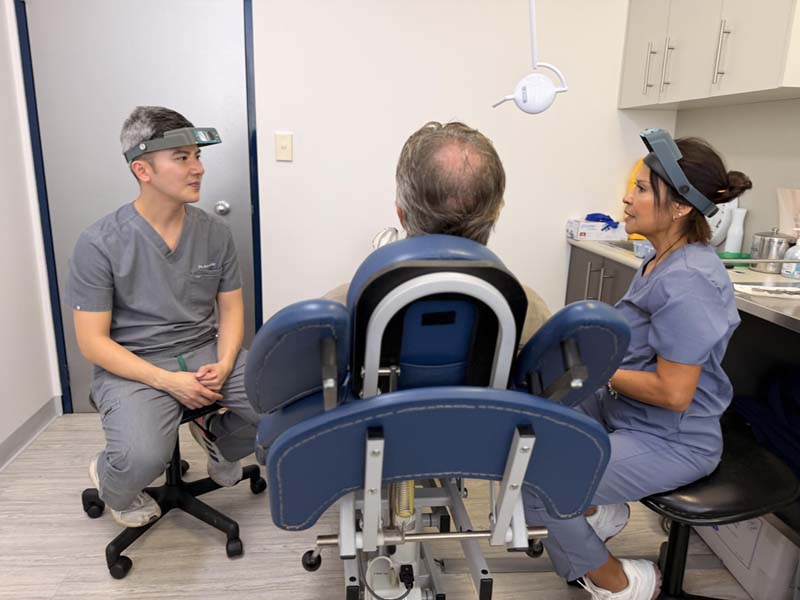
Frequently Asked Questions About Exosome Therapy
Exosome therapy is discussed as a non‑surgical treatment option that may support scalp and hair follicle health. It may be considered as part of a broader hair loss management plan following medical assessment.
No. Exosome therapy is not a hair transplant procedure. It does not involve the removal or relocation of hair follicles and does not create new hair follicles. It is classified as a non‑surgical treatment.
Both exosome therapy and PRP therapy aim to support the scalp environment. PRP uses components derived from the patient’s own blood, whereas exosome therapy uses laboratory‑derived extracellular vesicles. Suitability and treatment planning are discussed during consultation.
The number of sessions depends on individual factors such as hair loss pattern, scalp condition, and overall treatment goals. This is discussed during consultation, as there is no standard protocol suitable for all individuals.
Exosome therapy may be discussed for individuals with early or progressive hair thinning, or for those seeking non‑surgical treatment options. It may also be considered alongside other treatments where clinically appropriate.
As with any medical treatment, potential risks exist. These may include temporary redness, swelling, tenderness, or discomfort at the treatment site. All potential risks and limitations are discussed during consultation.
Exosome therapy may not be suitable for everyone. Factors such as advanced hair loss, scalp health, medical history, and treatment expectations are assessed by a medical practitioner before any recommendation is made.
This information is general in nature and discussed in detail during consultation. Treatment suitability and outcomes vary between individuals.