Crown/Hairline Transplant
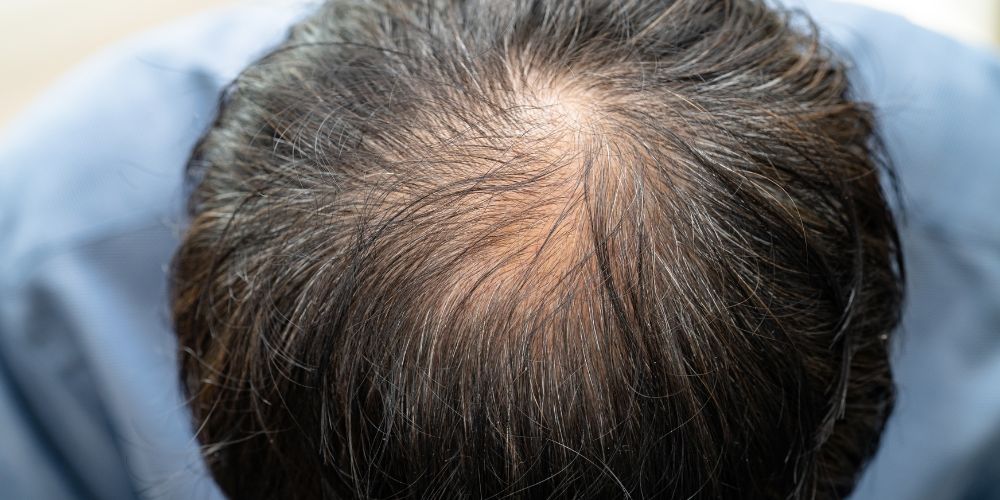
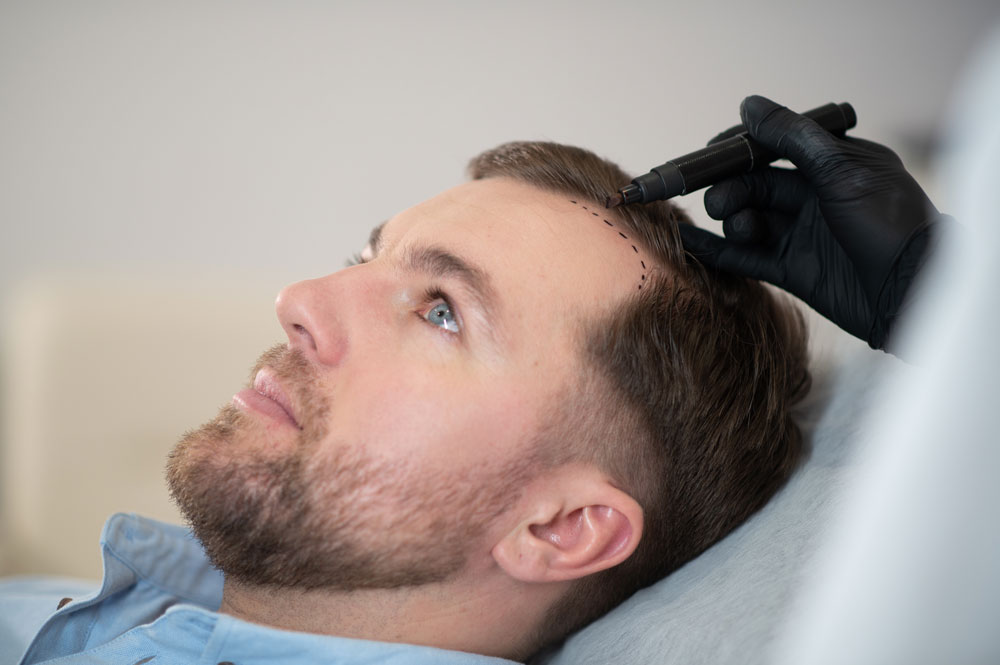
A crown or hairline transplant is a surgical hair restoration procedure designed to address hair thinning or loss in the frontal hairline or crown area of the scalp. These areas are commonly affected by androgenetic alopecia and often require careful planning due to their visibility and unique hair growth patterns.
At Dr Graft Hair Transplant, crown and hairline transplants are approached with a medical and individualised assessment, recognising that outcomes depend on multiple factors including hair loss pattern, donor hair characteristics, and long‑term progression.
Arrange Your Free Consultation
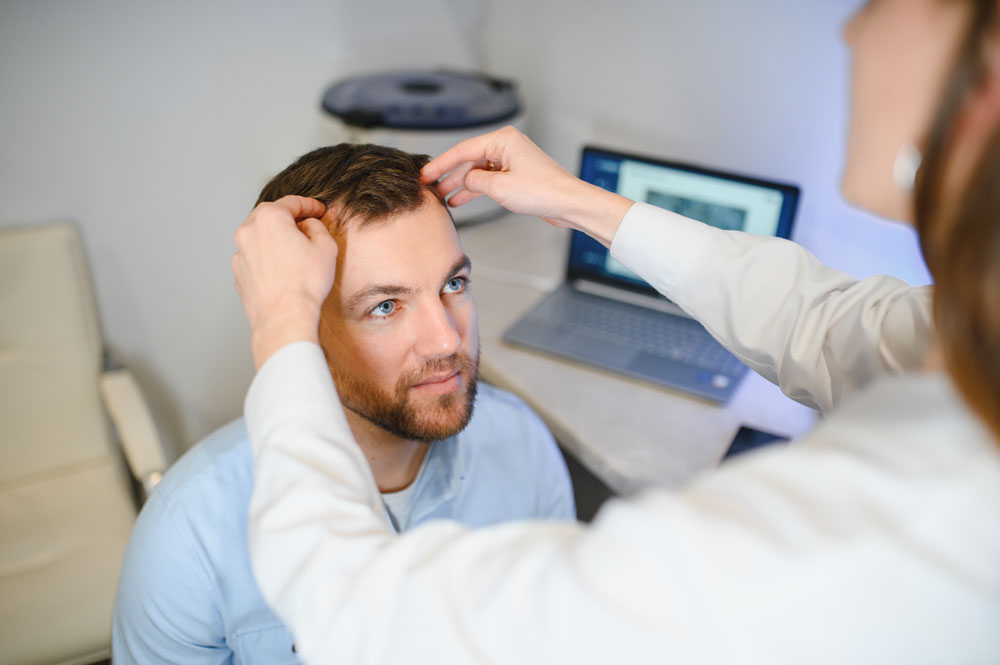
A consultation provides time to discuss your hair loss concerns, assess suitability, and understand which treatment options may be appropriate based on individual circumstances.
There is no obligation to proceed with treatment.
Understanding Hairline and Crown Hair Loss
Hair loss at the frontal hairline and crown typically occurs gradually and may progress at different rates. The hairline frames the face and plays an important role in overall facial balance, while the crown often presents with swirling hair patterns that require specialised surgical planning.
Each area presents different technical considerations, which are assessed during consultation.
Not sure which treatment is right for you?
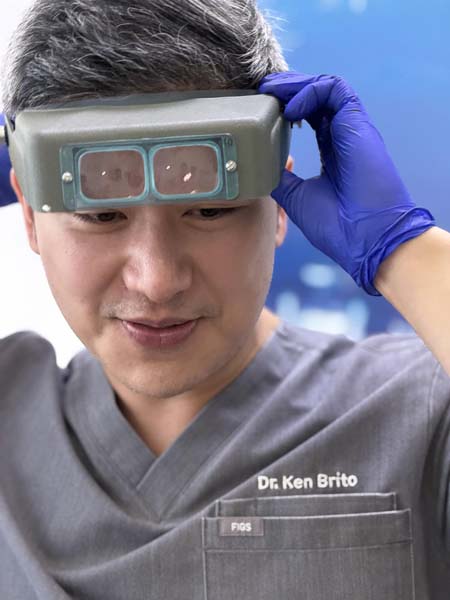
A medical consultation allows assessment of hair loss type, donor hair availability, and long‑term planning before any treatment is considered.
What a Crown or Hairline Transplant Involves
A crown or hairline transplant involves the careful relocation of hair follicles from a donor area, usually the back or sides of the scalp, into areas affected by thinning or loss.
The procedure may be performed using established hair transplant techniques such as FUE or FUT, depending on individual factors. Graft placement, angle, and distribution are planned to align with existing hair growth and natural patterns.
The approach is tailored to the individual and does not follow a standardised design.
Who May Be Suitable for a Crown or Hairline Transplant?
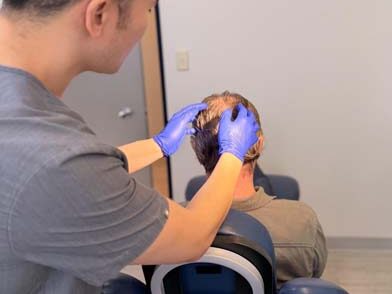
A crown or hairline transplant may be considered for individuals who:
- Have stable or progressive frontal or crown hair loss
- Have sufficient donor hair available
- Are in generally good medical health
- Have realistic expectations regarding surgical outcomes
Suitability is determined through thorough medical consultation and scalp assessment.
Who May Not Be Suitable?
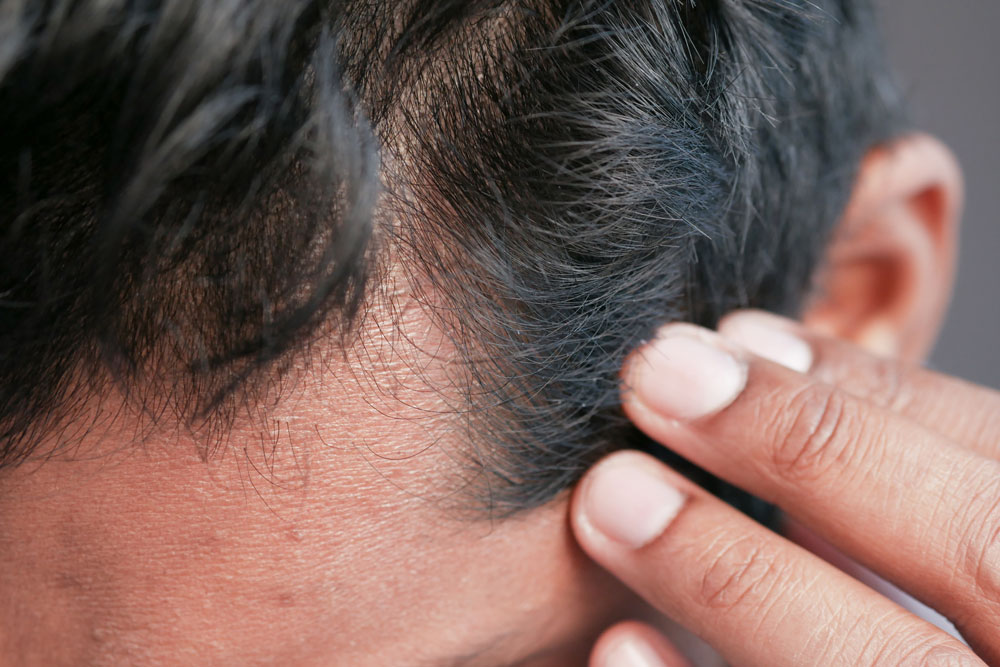
A crown or hairline transplant may not be appropriate for everyone. It may be unsuitable for individuals who:
- Have insufficient donor hair
- Are experiencing rapidly progressing hair loss
- Have certain medical conditions affecting healing
- Are seeking immediate or guaranteed outcomes
These considerations are discussed openly during consultation.
Planning and Limitations
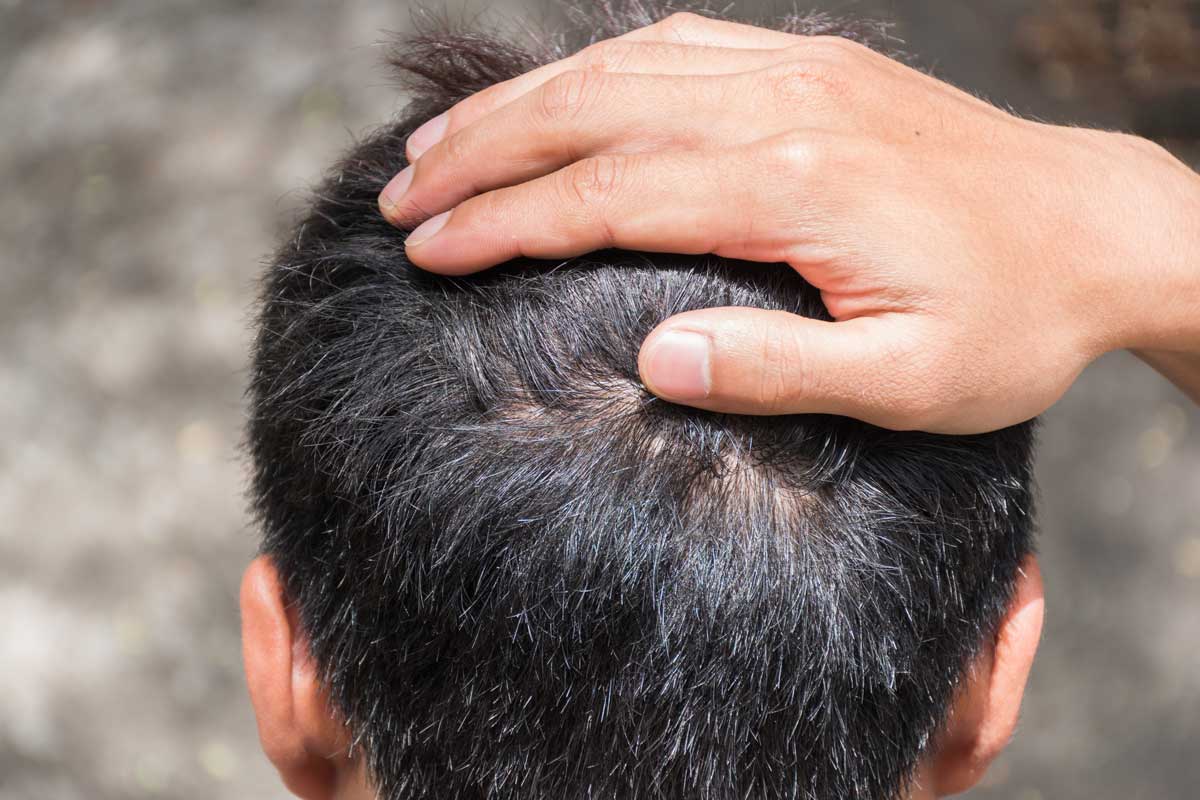
The crown typically requires more grafts than other areas and may respond differently due to blood supply and hair direction. Hairline design must consider age, facial structure, and potential future hair loss.
It is important to understand that:
- Hair density achievable varies between individuals
- Results develop gradually over time
- Ongoing hair loss outside the transplanted area may continue
These limitations form part of informed consent.
Get in touch with DR Graft
A medical consultation allows assessment of hair loss type, donor hair availability, and long‑term planning before any treatment is considered.
Get in touch with DR Graft
A medical consultation allows assessment of hair loss type, donor hair availability, and long‑term planning before any treatment is considered.
Risks and Recovery
As with any surgical procedure, hair transplantation carries potential risks. These may include swelling, redness, discomfort, infection, scarring, or variable hair growth.
Recovery times vary. Post‑procedure care and follow‑up are provided to support healing and monitor progress.
All risks are discussed in detail during consultation.
Medical Approach and Long‑Term Care
Crown and hairline transplantation is approached as part of a broader hair management plan. In some cases, additional non‑surgical treatments may be discussed to support existing hair.
Medical oversight ensures treatment decisions account for both current appearance and long‑term considerations.
Consultation and Assessment
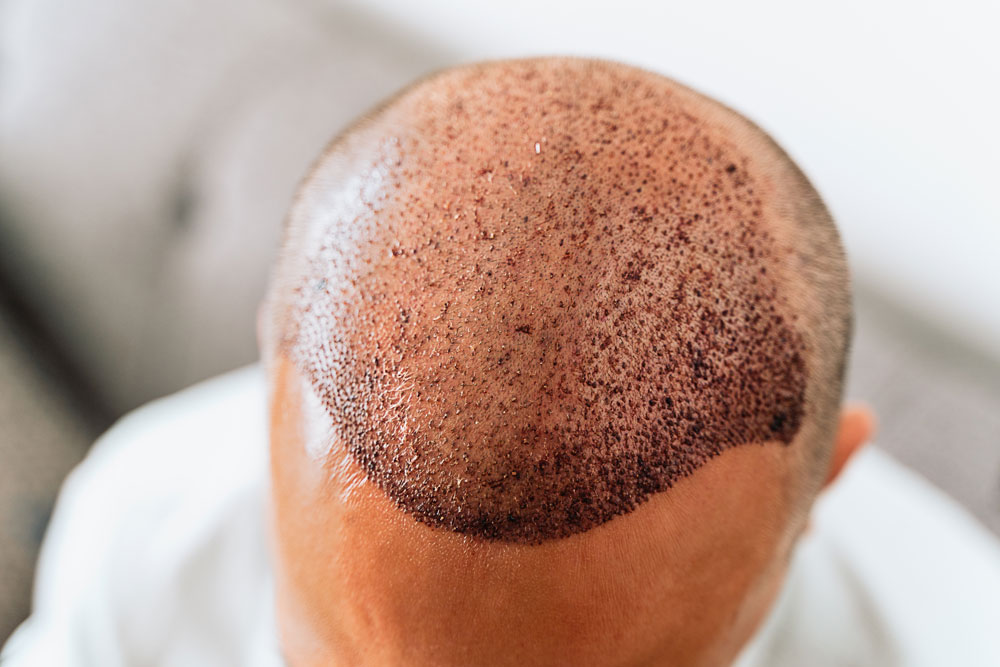
A consultation at Dr Graft Hair Transplant includes:
- Detailed scalp and hair assessment
- Review of medical history
- Discussion of suitable surgical and non‑surgical options
- Explanation of risks, limitations, and aftercare
This information is general in nature and discussed in detail during consultation. ered at no cost and may be conducted in person, by phone, or via video consultation.
Speak With the Clinic
To learn more about crown or hairline transplant options, contact the clinic to arrange a consultation.